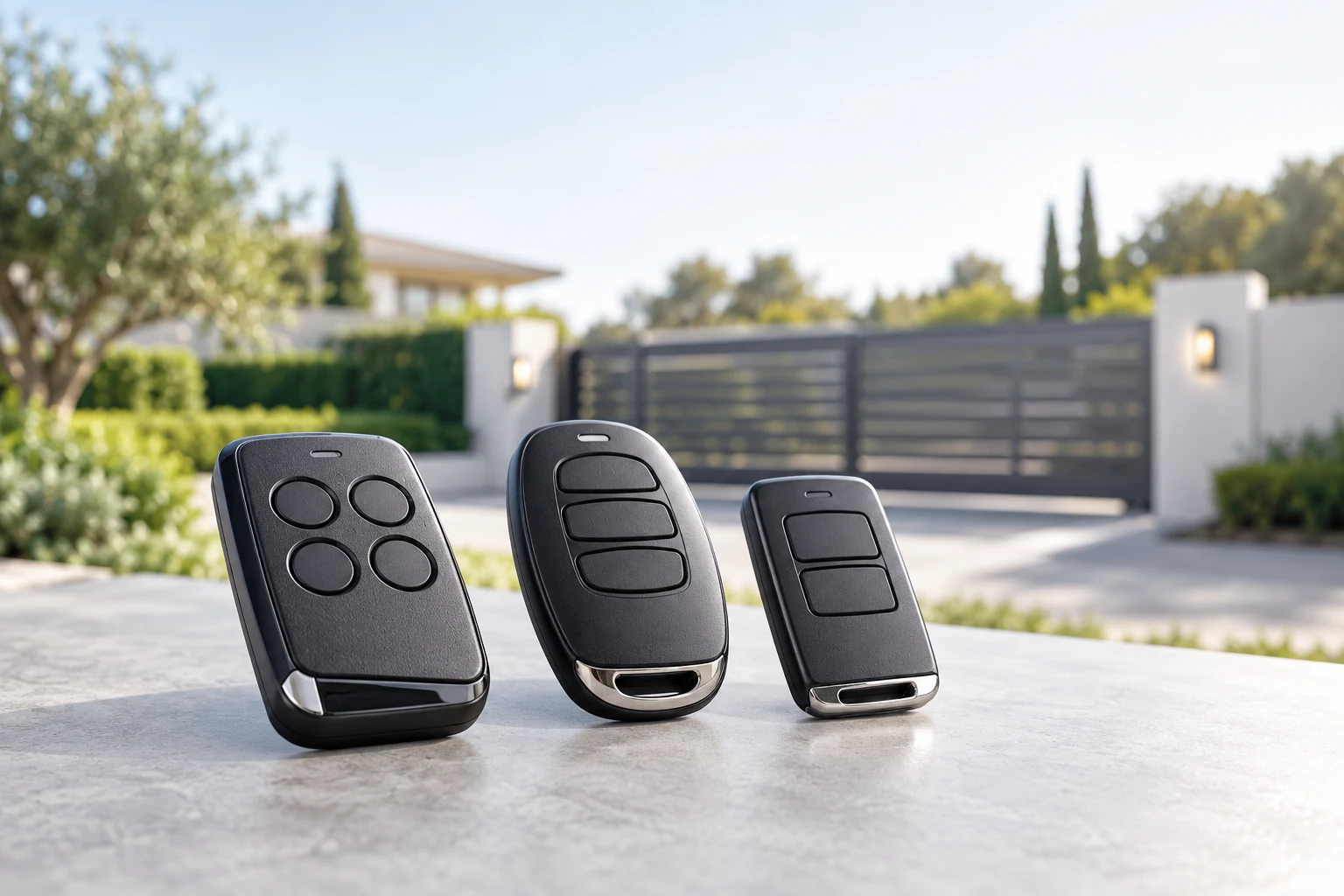
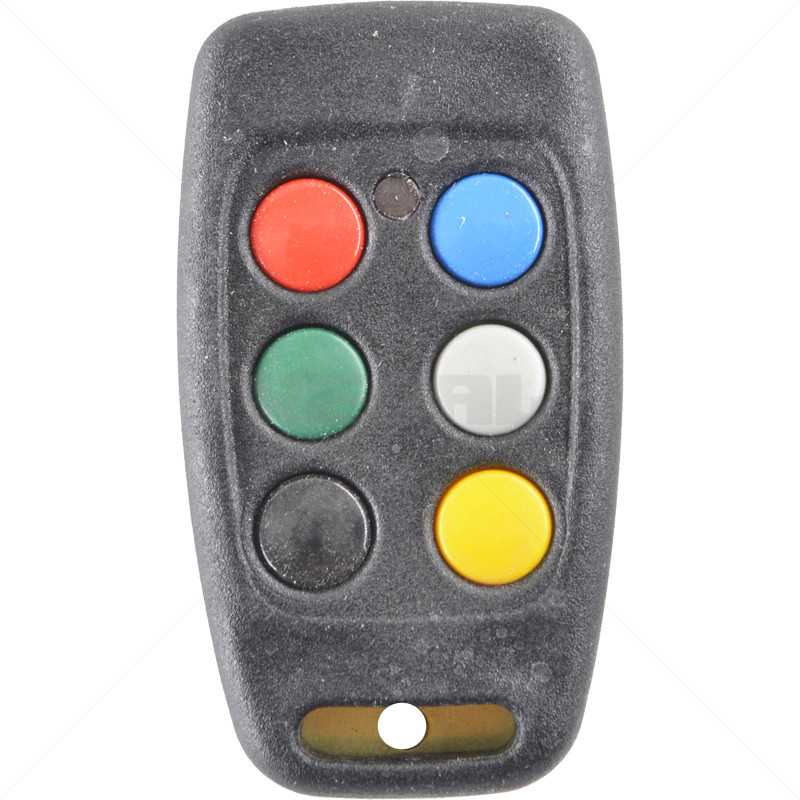
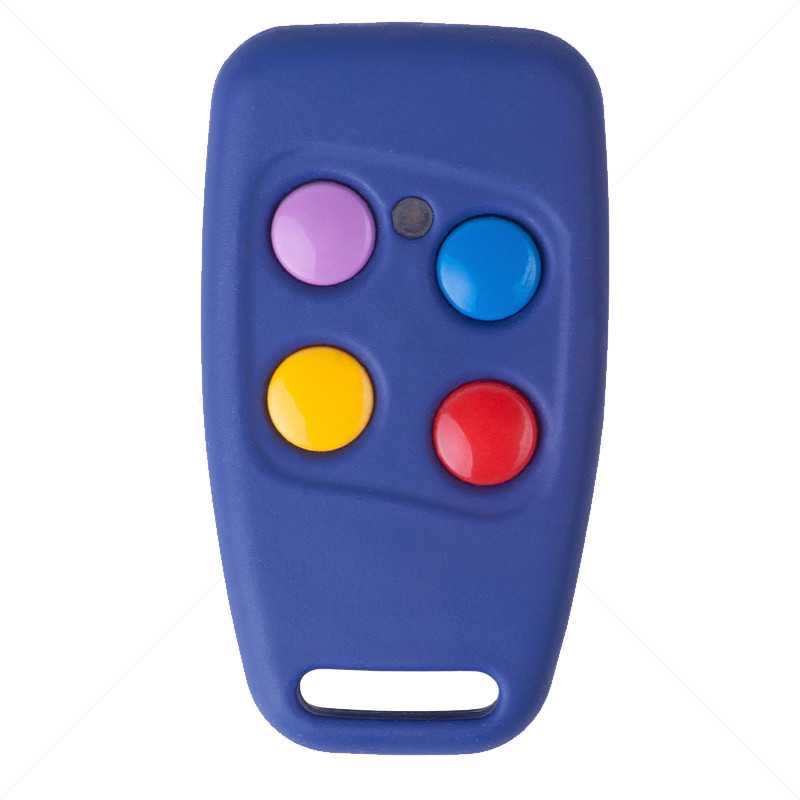
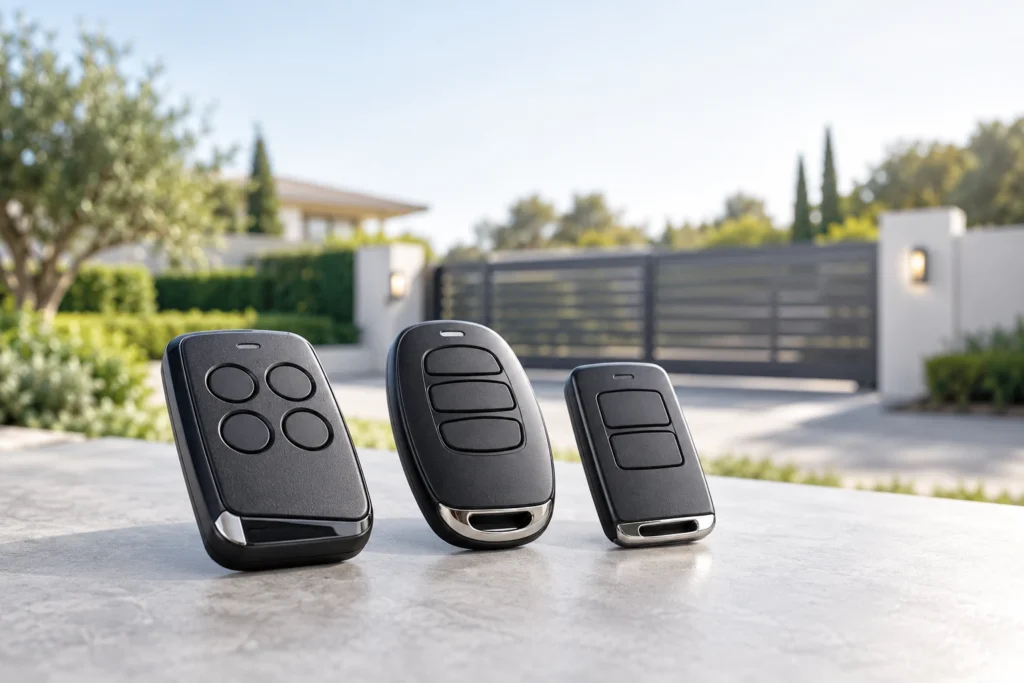
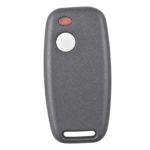
A gate remote is small, but it controls an important part of your daily access. When replacing one, choosing a similar-looking case is not enough. The remote and receiver must understand each other, and that depends on more than the number of buttons.
What happens when you press the button?
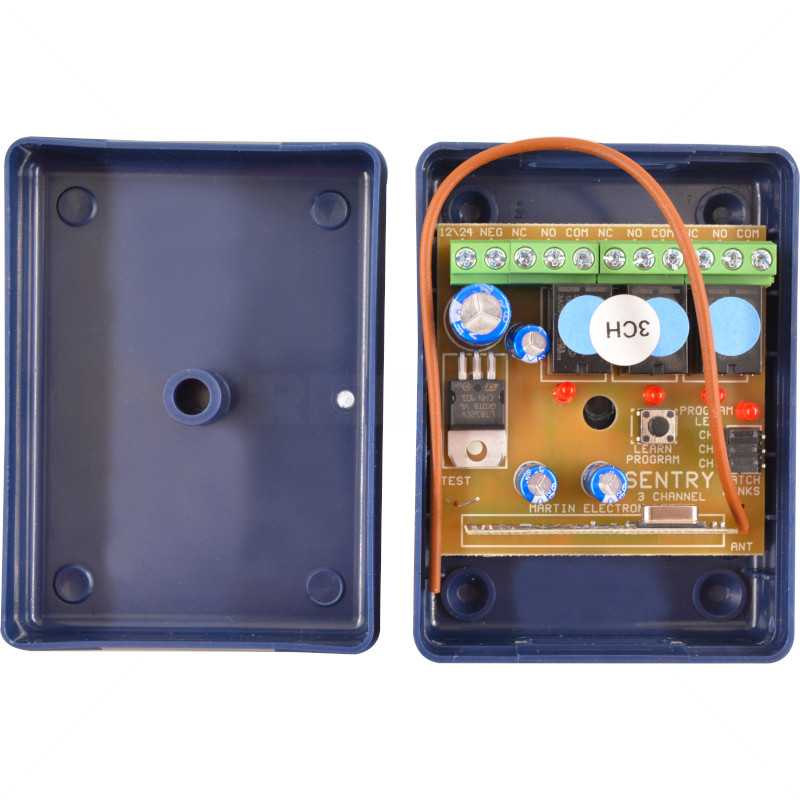
The remote transmits a radio signal. A compatible receiver checks the signal and, when it is accepted, passes a command to the connected gate controller or other device. The receiver may be built into the motor controller or installed separately.
This explains why the gate motor's name does not always identify the remote you need. A system may have an additional receiver from a different product family.
Frequency is only part of the match
A remote must use a supported frequency, coding method and receiver protocol. Two products operating in the same frequency band are not necessarily interchangeable. The receiver's supported transmitter range is the better starting point.
Manufacturer descriptions such as compatible or universal still need to be checked against the actual receiver. Bring the old remote's model details and, if available, a photograph of the receiver label.
What is rolling code?
Rolling-code or code-hopping systems change the transmitted code as part of their operating method, rather than repeatedly sending one fixed code. Both the transmitter and receiver need to support the relevant system.
The words rolling code do not identify a universal standard that makes every remote compatible. Product family and programming requirements still matter.
Can one remote operate several devices?
A multi-button transmitter may operate several functions when the connected receivers and controllers support that arrangement. One button could be assigned to a driveway gate and another to a compatible garage receiver. The number of usable functions depends on the complete setup.
Plan the buttons around what users need. A simple, clearly assigned remote is often easier for family members or staff than a collection of controls with uncertain functions.
Replacing a remote is also an access decision
A spare remote can make shared access easier. If one is lost, ask an authorised installer or system administrator about removing its access from the receiver, rather than only purchasing another transmitter.
For an intermittent remote, check the specified battery and the condition of the controls. Poor range can have several causes, so avoid assuming a more expensive transmitter will automatically solve it. Follow the manufacturer's programming procedure and keep receiver access restricted to authorised users.