Opening a gate from your vehicle can make the daily school run, deliveries and late arrivals more convenient. Gate automation combines a motor, controller and access devices to move a suitable gate. The right system starts with the gate itself and how often it is used.
How does an automated gate move?
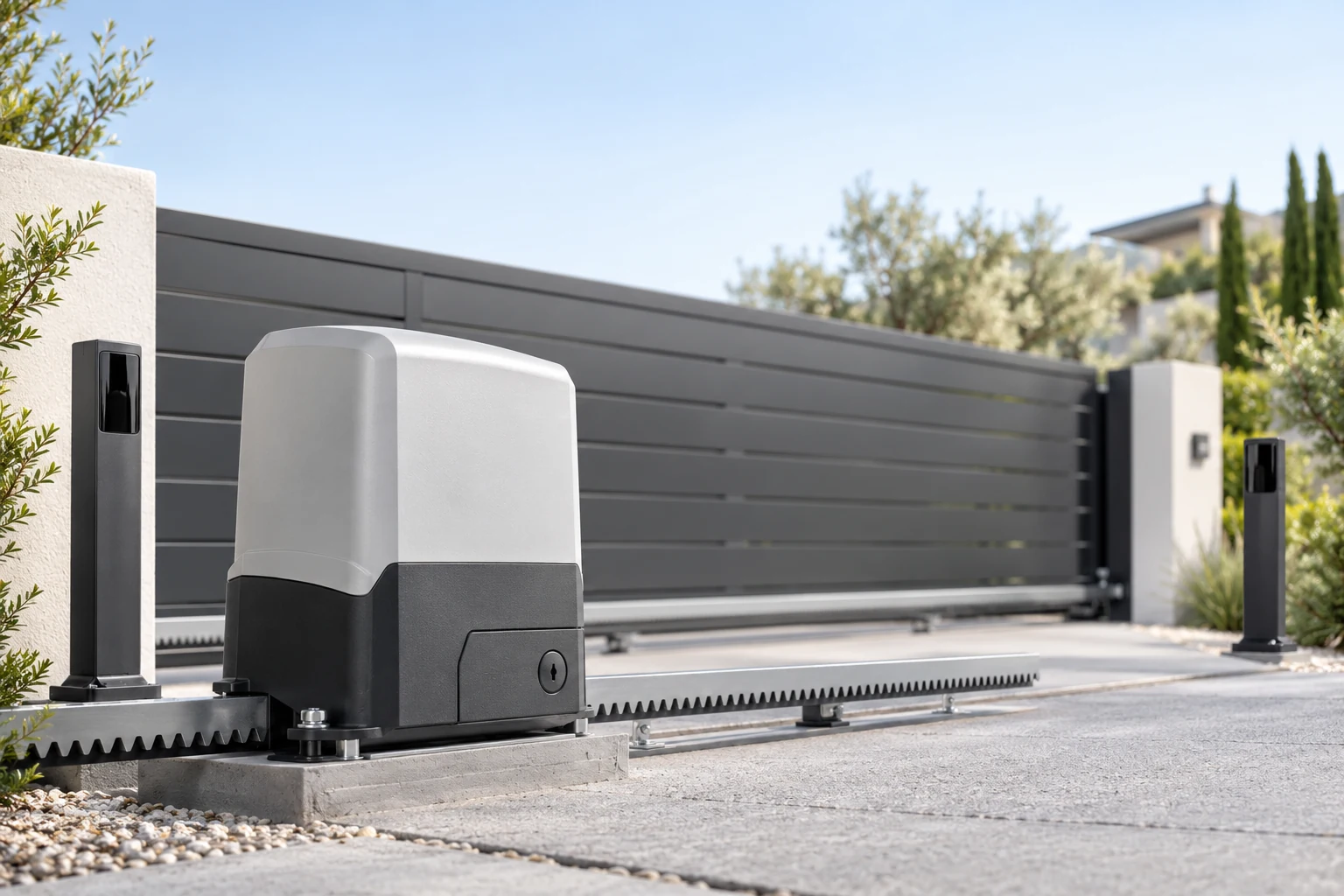
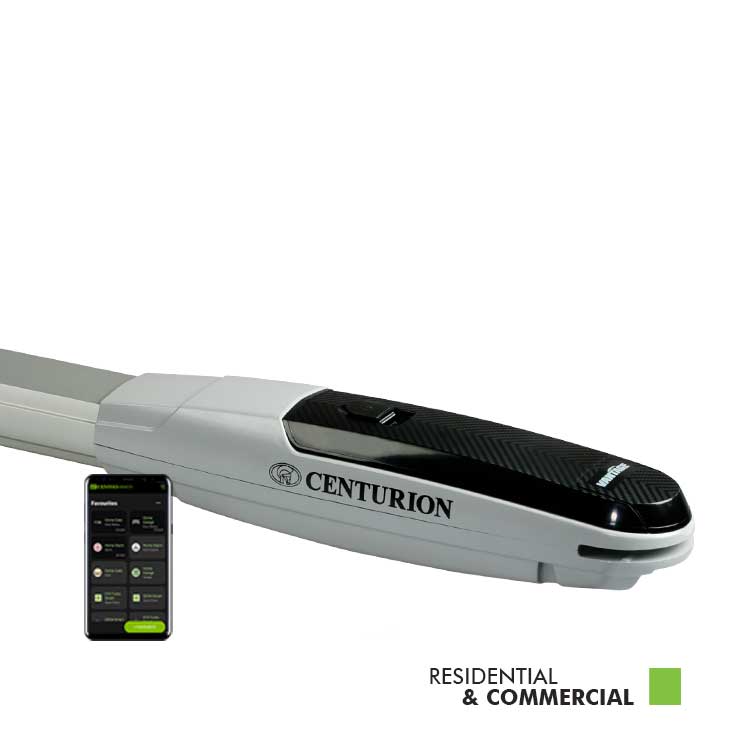
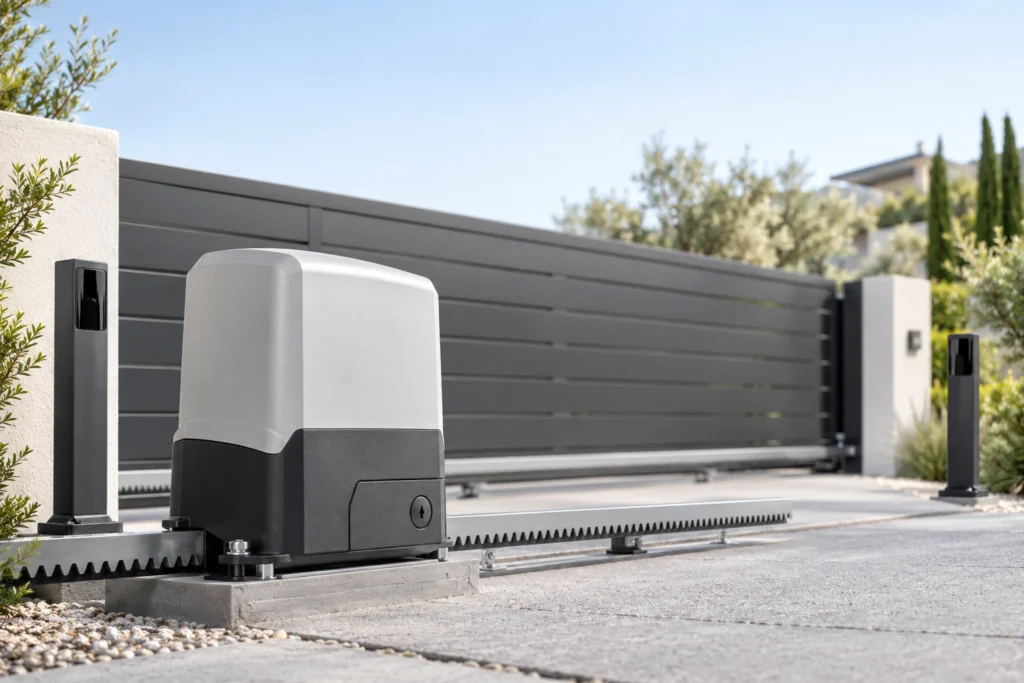
In a sliding setup, the motor turns a drive gear that engages with a rack attached to the gate. Swing gates use operators designed to move hinged gate leaves. A controller manages operation in response to an authorised command and the system's programmed settings.
The motor must suit the gate type, size and operating conditions. A gate that is difficult to move manually may have mechanical problems that automation will not solve.
What tells the gate to open?
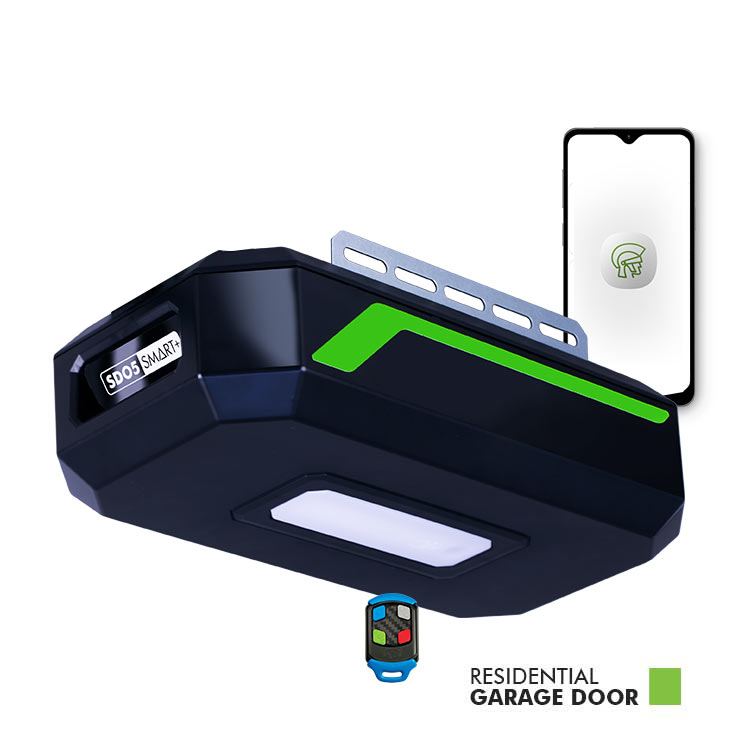
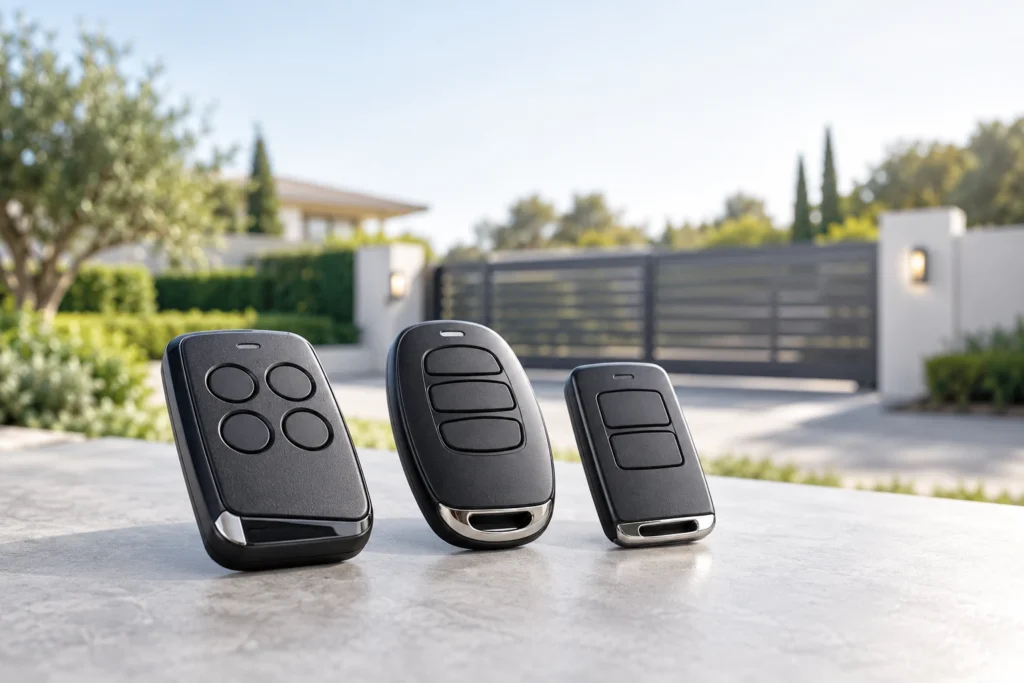
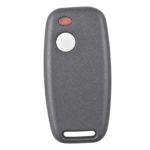
Depending on the installation, commands may come from a compatible remote, keypad, intercom or other access device. Some systems support pedestrian opening or automatic closing, but these features depend on the controller and configuration.
For a family home, separate remote buttons might control different entrances. For a shared property, it may be more useful to plan how access is issued, managed and removed when residents change.
Why safety devices matter
Photoelectric safety beams detect an interruption between a transmitter and receiver. When correctly installed and configured, they inform the gate controller that something is in the beam path. Other protective features vary by system.
Beams do not remove every risk around a moving gate. Positioning, commissioning and maintenance matter, and children and pets should be kept clear of gate movement.
What happens during a power interruption?
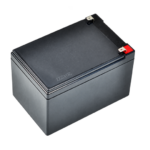
Many gate operators use batteries, but backup capability and operating time depend on the model, battery condition and frequency of use. An ageing battery or repeated operation can affect the available reserve.
Know the manufacturer's manual-release procedure before you need it. Ask your installer to demonstrate it and explain how to secure the gate afterwards, rather than discovering the process during an outage.
Buy for the workload, not only the price
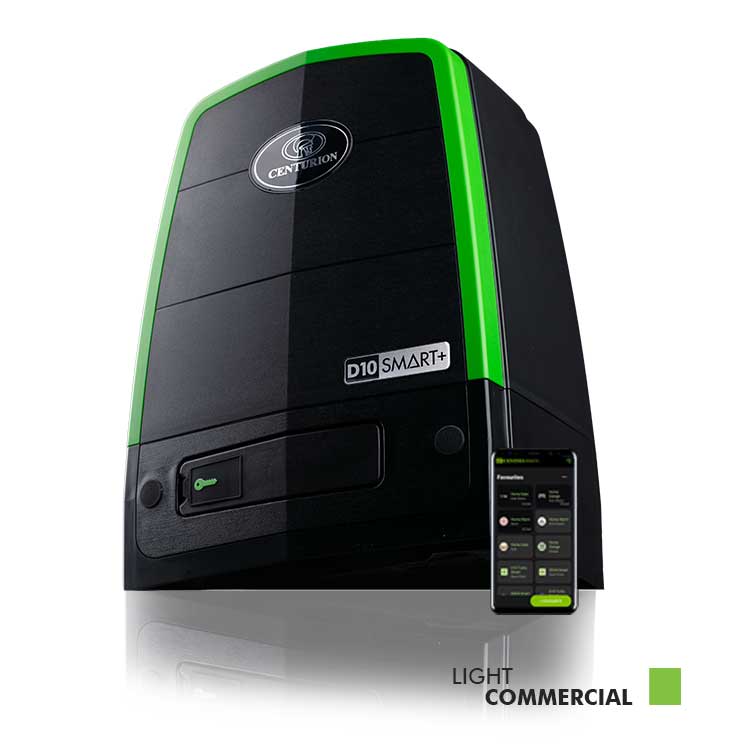
Consider gate weight, rolling resistance, daily opening cycles and whether the entrance serves one household or many users. Check the availability of compatible remotes, safety beams and replacement batteries.
A correctly selected residential motor can be a useful daily convenience, while a busy entrance may need equipment designed for more frequent operation. Matching the workload helps you avoid buying a system around appearance alone.