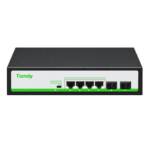
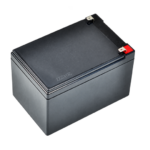
Electric fencing adds an active boundary to a property. It can serve different purposes, from helping deter unauthorised entry to managing animals on agricultural land. Those purposes need different designs, so choosing an energiser is only one part of planning the fence.
What does the energiser do?
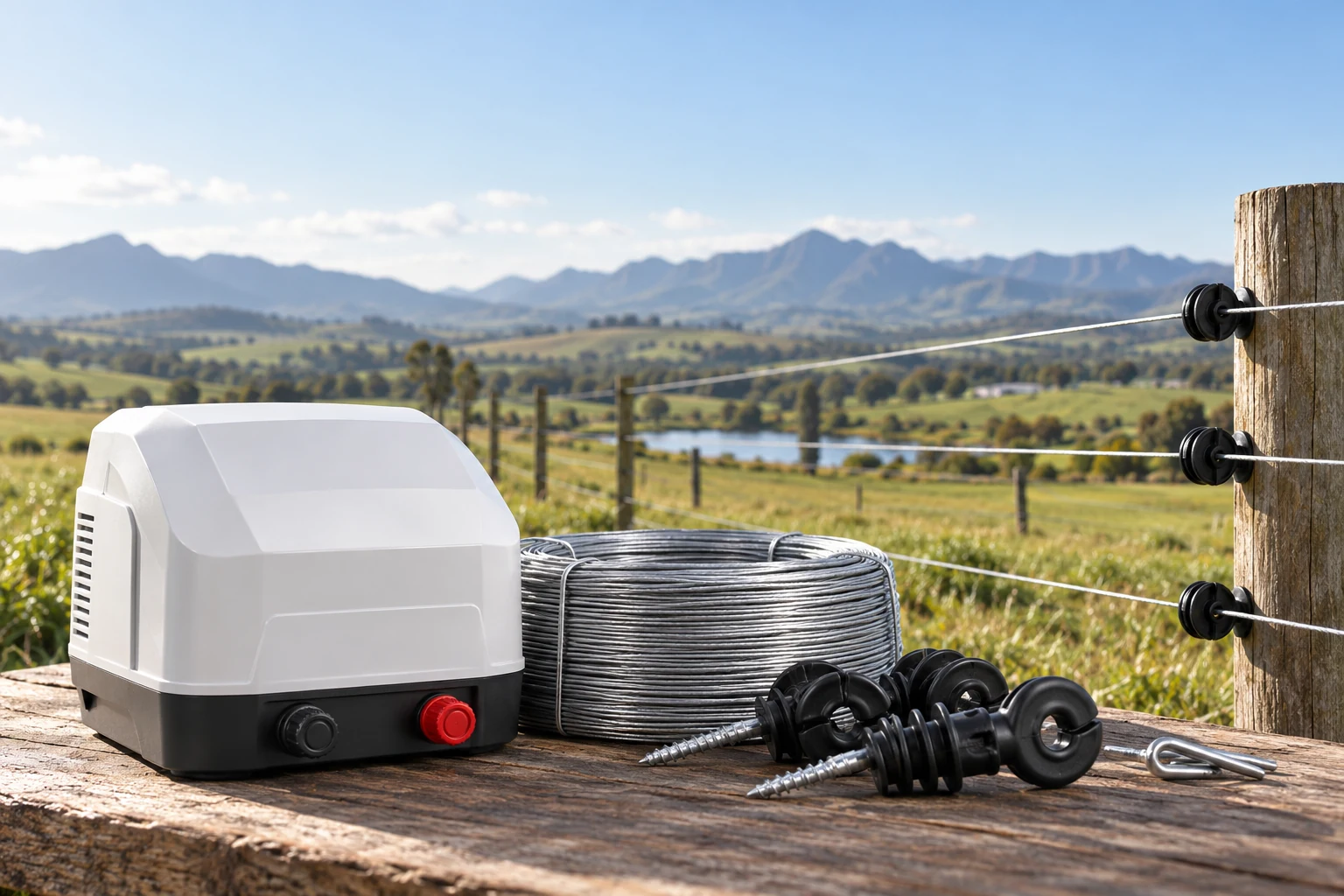
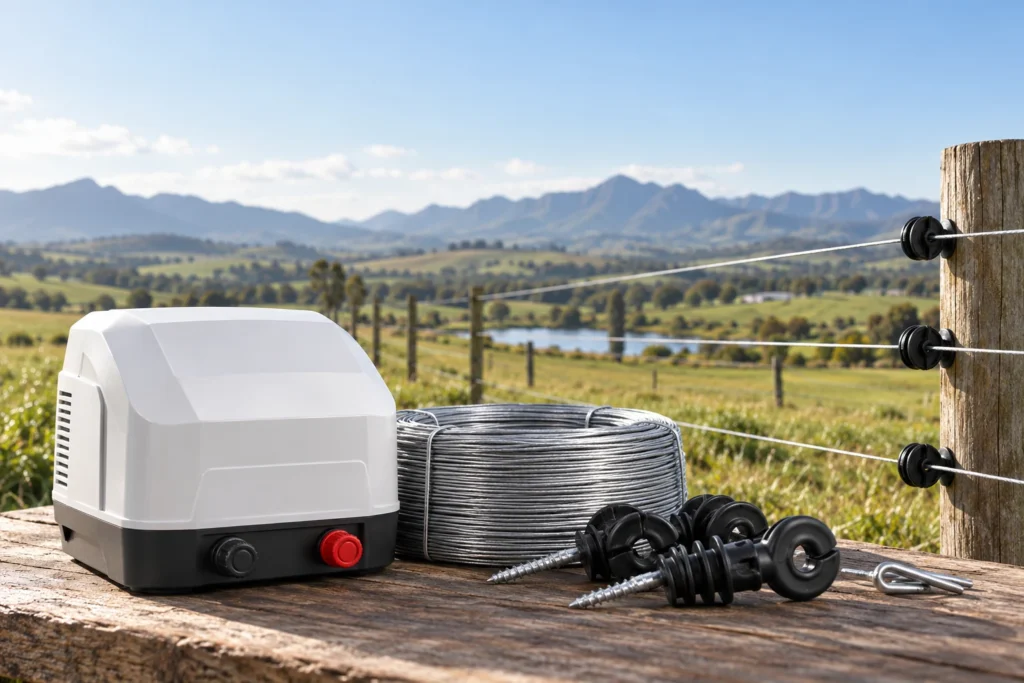
An electric fence energiser sends controlled electrical pulses along the fence conductors. In a correctly designed system, contact that completes a path through the fence and earth can deliver a deterrent shock. The energiser, conductors and earthing arrangement must work as a system.
A fence must use purpose-designed equipment. It is not a wire connected directly to household electricity, and a higher advertised output is not automatically the right choice for every site.
Why the smaller components matter
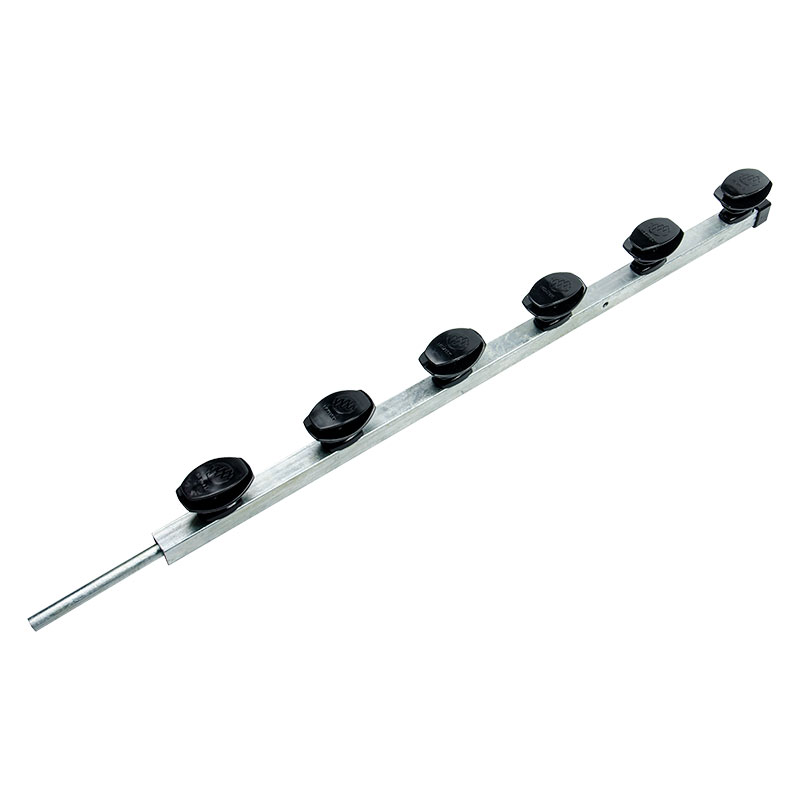
Insulators keep live conductors separated from supporting structures. Tensioning components help maintain the intended wire arrangement, while suitable connections carry the pulse through the fence. The earth system provides the required return path in the design.
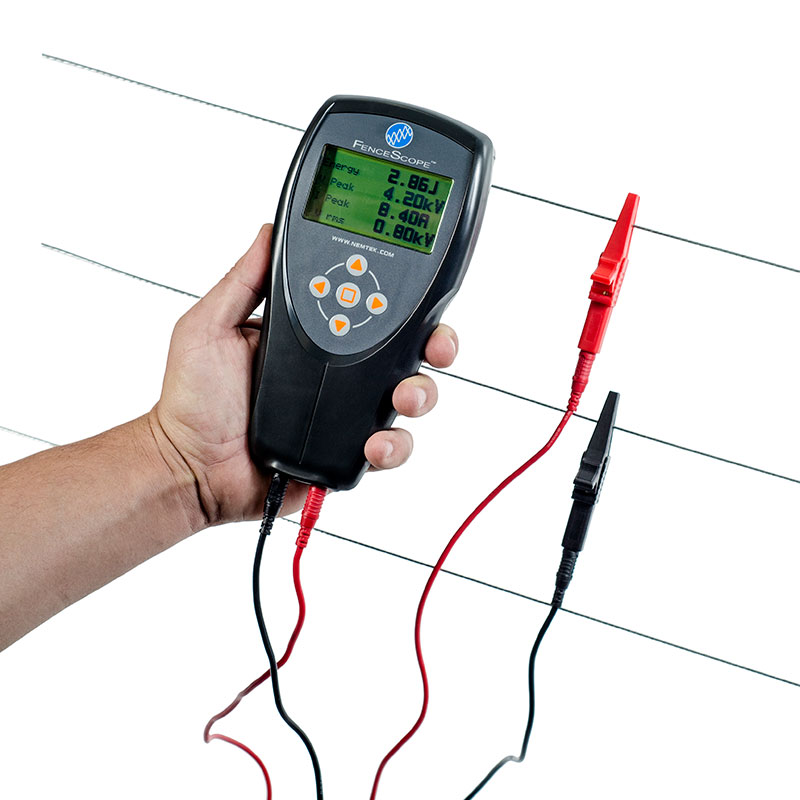
Poor connections, damaged insulation or unsuitable components can affect performance. This is why buying an energiser without checking the existing fence condition can leave the real problem unresolved.
Security fencing and farm fencing have different jobs
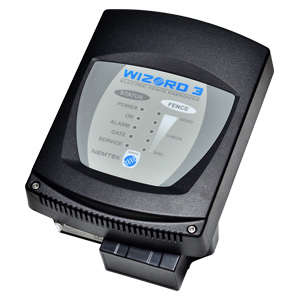
A security fence is planned around deterring and detecting interference with a boundary. Some security energisers offer monitoring and alarm functions, depending on the model. Agricultural fencing is designed around animal management, with layout and equipment selected for the species and conditions.
A residential wall-top fence and a livestock paddock should therefore not be treated as the same installation. Explain the intended purpose before choosing products or replacing components.
Where can it be beneficial?
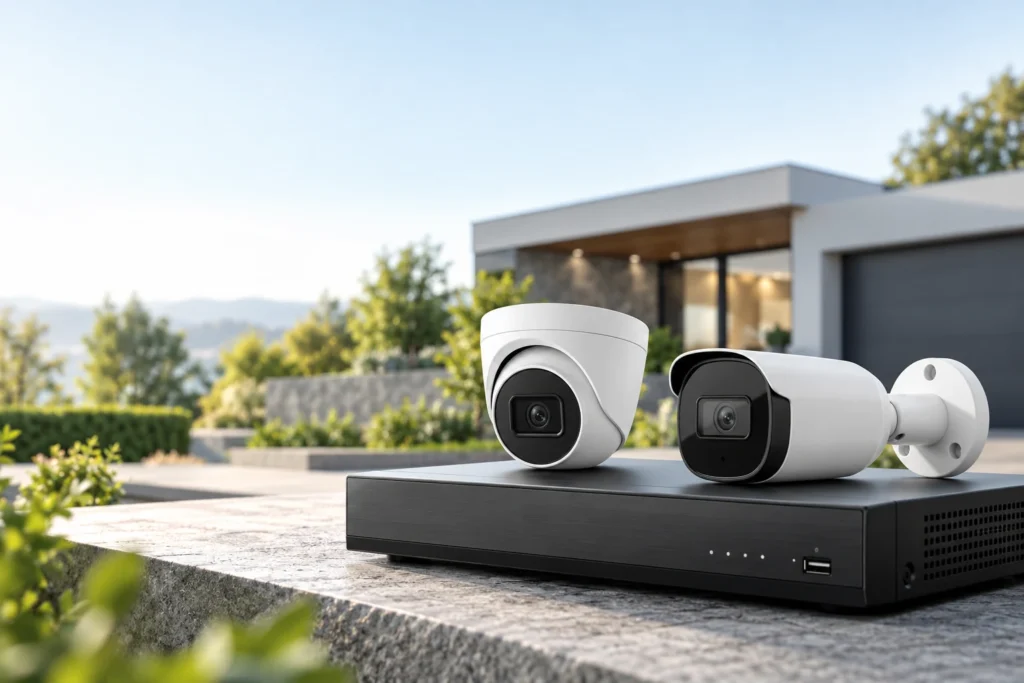
For a home or business, electric fencing can add another layer around the perimeter alongside gates, lighting, alarms and CCTV. On a farm, a suitable system can support boundary control and the management of separate grazing areas.
It remains part of a broader property plan. A monitored fence also needs a clear arrangement for who receives a fault or alarm and how that event is investigated.
Plan for ongoing attention
Arrange regular inspection of the fence line, connections and insulators. Vegetation, weather and physical damage can change conditions over time. Have a competent installer assess the site and applicable requirements; this article is an equipment overview rather than an installation procedure.
Before shopping, note the fence purpose, approximate length, number of zones and the details of any existing energiser.
Explore electric fencing energisers and accessories at 4ward Security, and compare components suited to your residential, business or agricultural application.