You cannot watch every room, door and window all day. An alarm system helps by monitoring selected areas and drawing attention to activity that needs a response. Understanding the parts makes it easier to choose a system that suits your property and daily routine.
The control panel connects the system
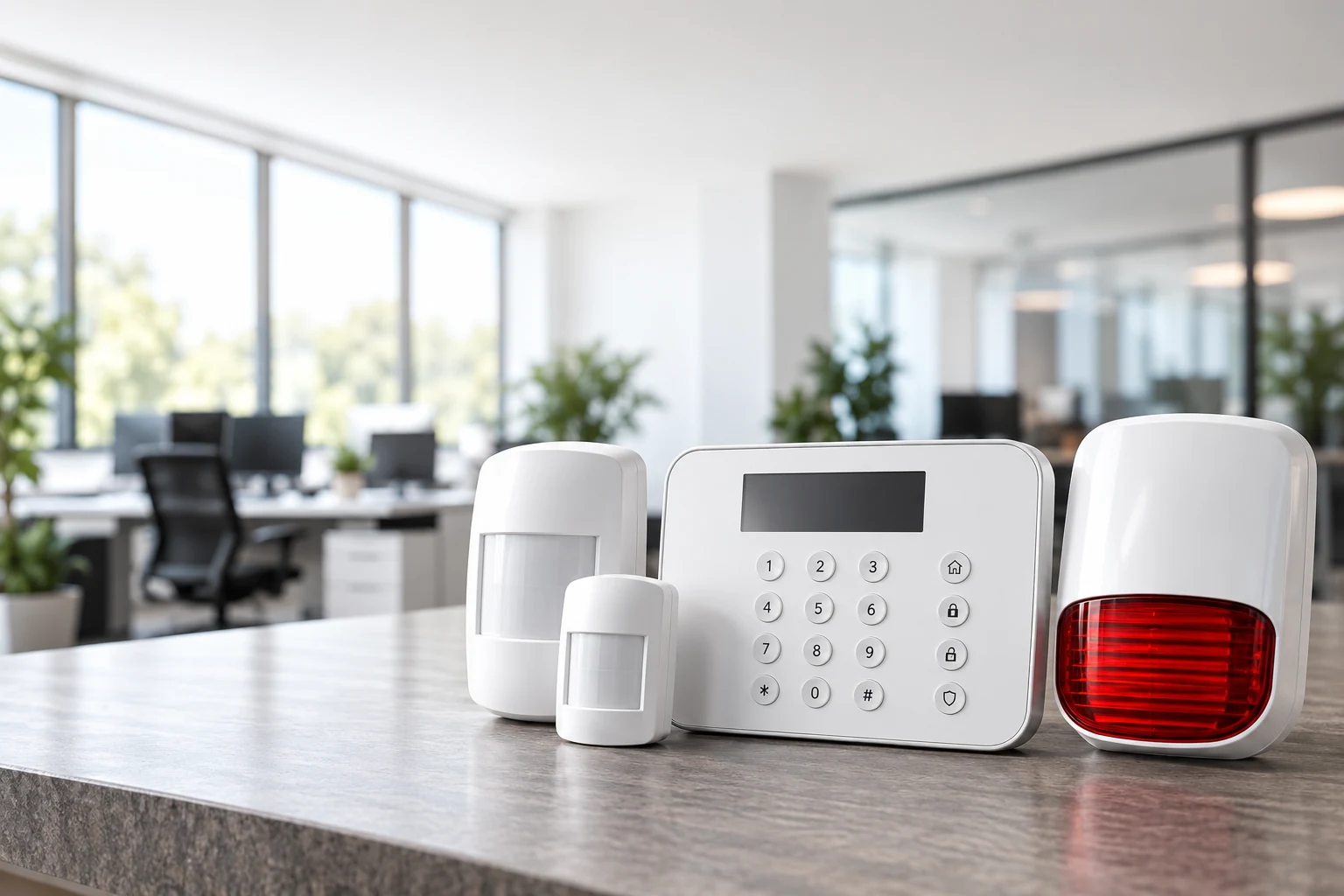
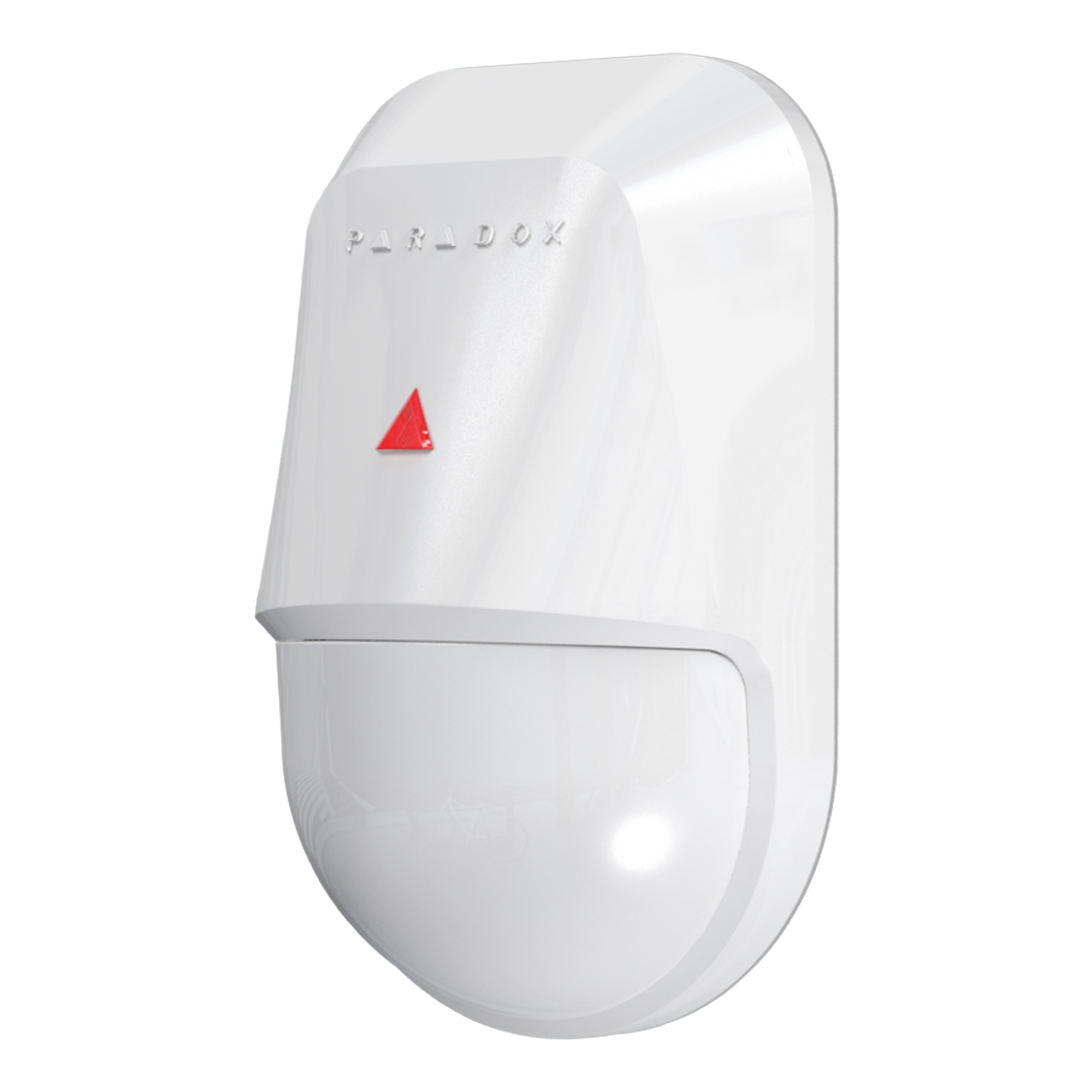
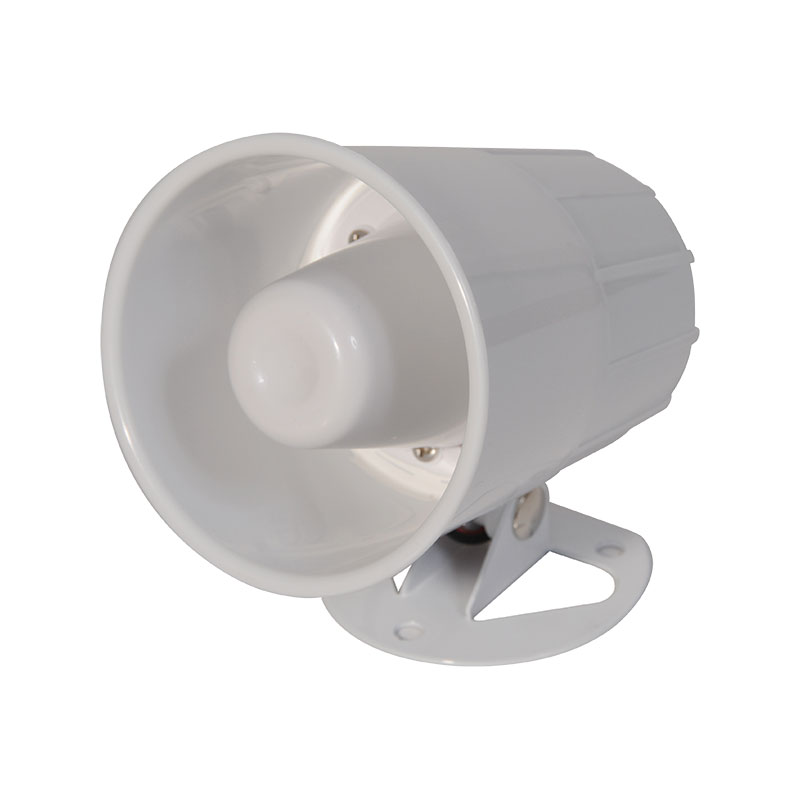
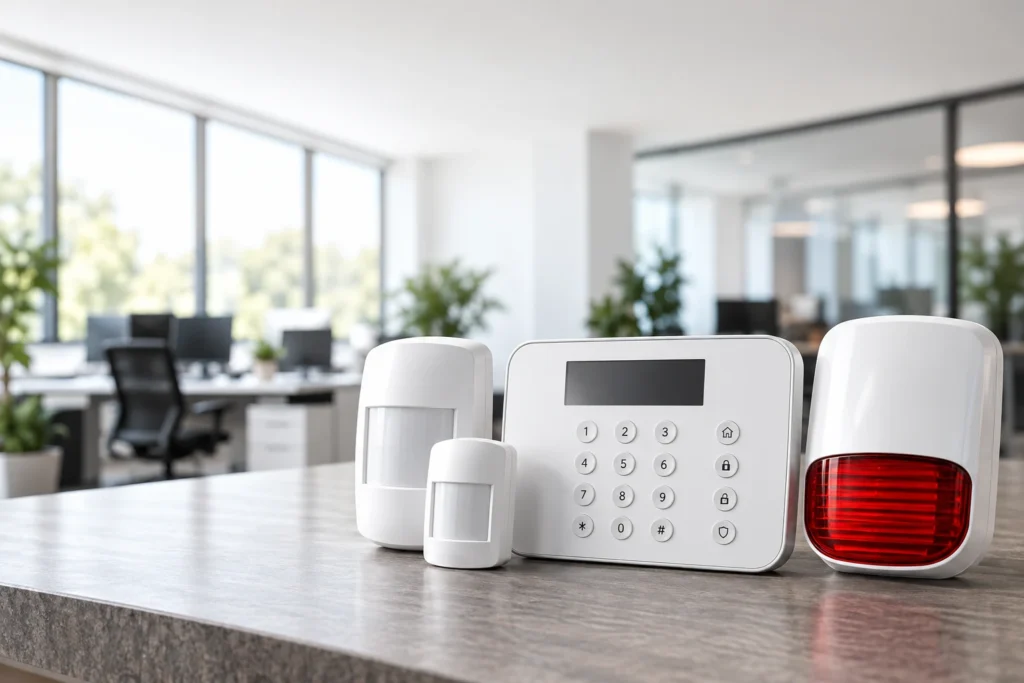
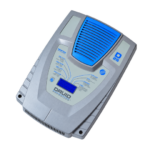
The alarm control panel receives signals from connected devices and follows its programmed rules. A door contact can report an opened door, while a motion detector can report movement within its detection area. If an armed zone triggers, the panel may activate a siren and send a signal through a configured communication device.
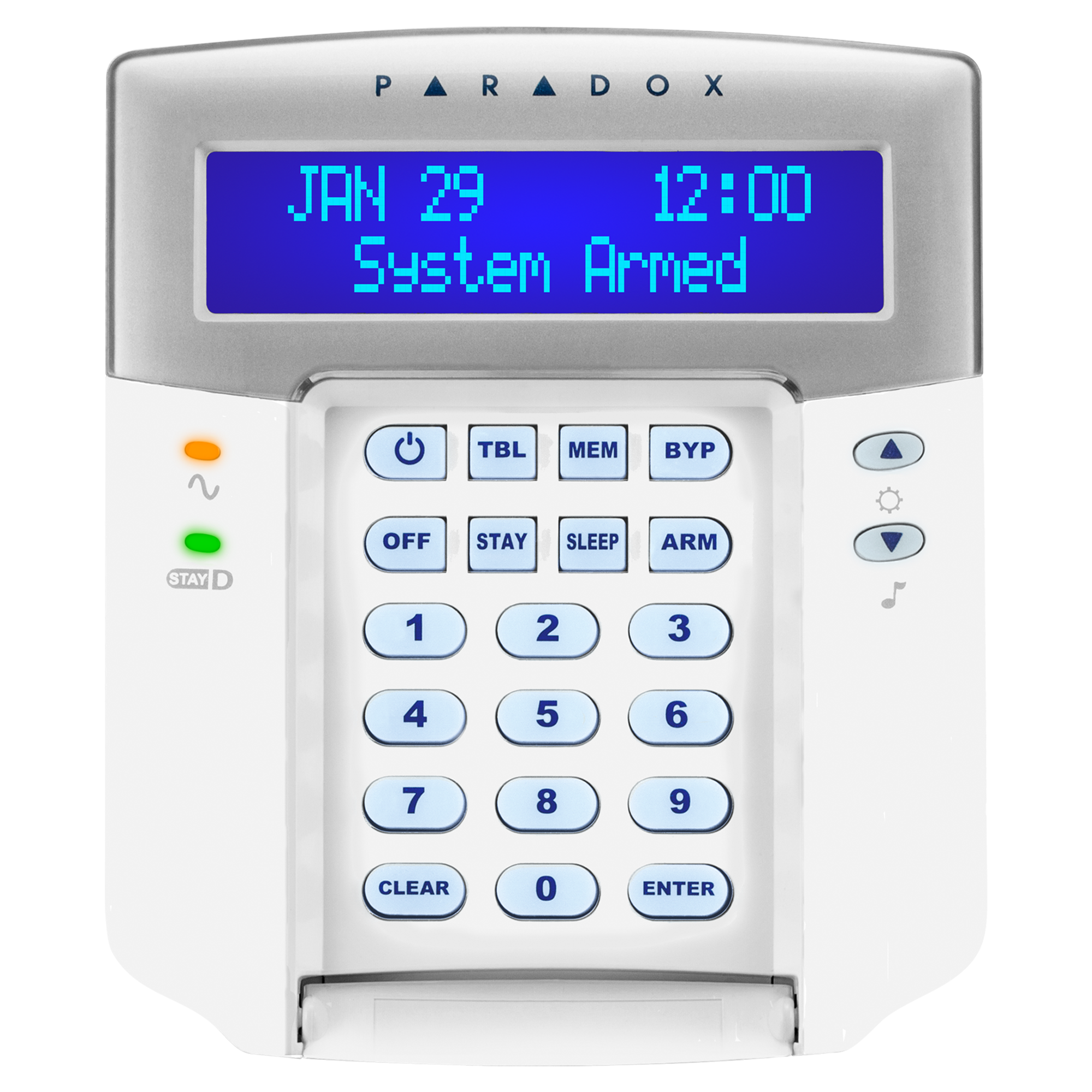
The keypad lets authorised users operate the system. Depending on the model and setup, this can include arming, disarming and checking zone information.
What do zones and partitions do?
A zone identifies a monitored point or area, such as a passage or storeroom. This helps users understand where a trigger occurred. Some systems also support partitions: separately controlled groups of zones.
For example, a business may want its storeroom armed while staff work in reception. A home may need selected areas protected overnight while occupants move elsewhere. These arrangements depend on the panel, detectors and programming.
Wired, wireless or a combination?
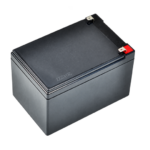
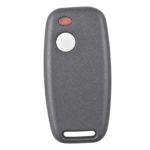
Wired devices connect through cabling. Wireless devices communicate with a compatible receiver and generally need their own batteries. Hybrid panels can support both approaches when equipped appropriately. Existing cables, access to rooms and future expansion all influence the choice.
Check compatibility before adding a detector to an existing alarm. A wireless device is not automatically compatible with every wireless panel, even when the products look similar.
The benefits depend on the response plan
An alarm can draw attention to a possible intrusion and help narrow down the affected area. However, a siren, an app notification and a signal to a monitoring company are separate capabilities. Armed response is a service arrangement; it is not automatically included with an alarm kit.
Decide who should receive alerts and what they should do. Confirm that the required communicator, connection and service are in place.
Choose protection around real daily use
Tell your supplier about pets, outdoor exposure, occupied rooms and the number of areas you want monitored. Ask about backup power and the procedure for routine testing. A clearly planned system is easier to use consistently, which is an important part of getting value from it.
Browse alarm panels, kits and detectors at 4ward Security. Share your existing panel model or property requirements so you can compare suitable equipment.